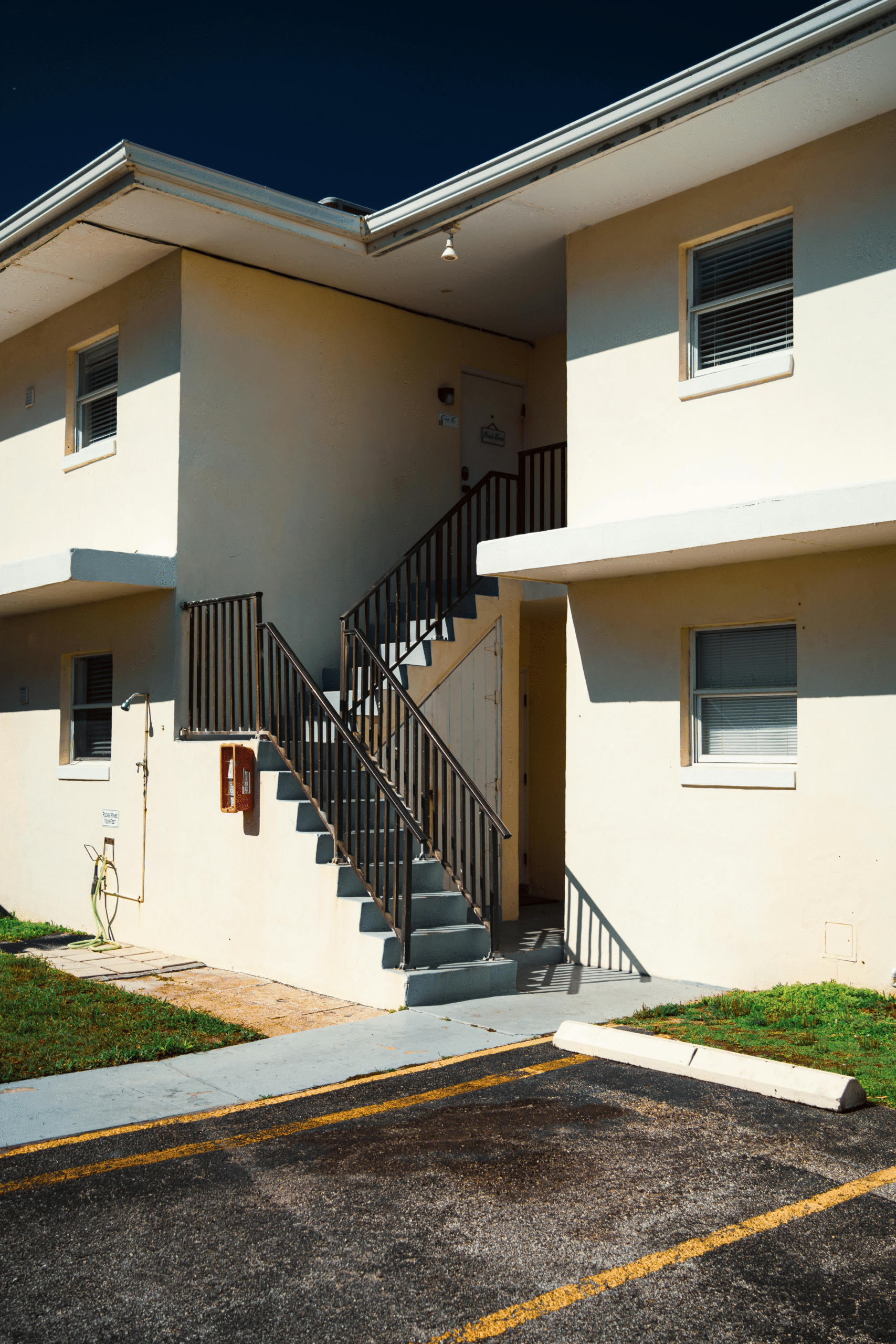
If you own rental property in Utah—whether it’s a single-family home, a duplex, or a multi-unit building—standard homeowners insurance won’t adequately protect your investment. Landlord insurance (also called rental property insurance or dwelling fire insurance) is specifically designed to cover the unique risks property owners face when renting to tenants.
Many first-time landlords don’t realize their homeowners insurance becomes invalid once they rent out their property. Others assume their existing coverage will extend to rental activities. These misconceptions can leave landlords financially exposed to significant losses. Let’s explore why landlord insurance is essential and what it covers.
Why Standard Homeowners Insurance Isn’t Enough
Homeowners insurance policies are written specifically for owner-occupied residences. When you rent your property to tenants, the risk profile changes significantly, and your homeowners policy likely contains exclusions that void coverage for rental activities.
Key Differences in Risk:
- You’re not present to monitor the property daily
- Tenants may not maintain the property to your standards
- Multiple people may occupy and use the property
- Tenant activities create additional liability exposures
- Vacancy periods between tenants create heightened risks
Most homeowners policies explicitly exclude coverage for rental activities. If you file a claim on a rental property covered by a homeowners policy, your insurer may deny the claim entirely—and potentially cancel your coverage for misrepresentation.
What Does Landlord Insurance Cover?
Landlord insurance typically provides three main types of coverage:
Property Coverage: This protects the physical structure of your rental property (dwelling) and other structures on the property like detached garages, sheds, or fences. Coverage includes damage from:
- Fire and smoke
- Wind and hail
- Lightning
- Vandalism
- Theft of property fixtures
- Water damage from burst pipes or appliance malfunctions
- Winter weather damage
Property coverage insures the building itself, but not tenants’ personal belongings—that’s what renters insurance covers.
Liability Coverage: This protects you if someone is injured on your rental property or if you’re held responsible for property damage. For example:
- A tenant’s guest slips on icy steps and sues for medical expenses
- A tree from your property falls and damages a neighbor’s fence
- A tenant claims their property was damaged due to your negligence in maintaining the property
- Legal defense costs if you’re sued, even if the claim is groundless
Liability coverage is crucial because lawsuits can result in settlements or judgments far exceeding the actual damages.
Loss of Rental Income: Also called fair rental value coverage or rent loss coverage, this reimburses you for lost rental income if your property becomes uninhabitable due to a covered loss. For example, if a fire damages your rental property and repairs take three months, loss of rental income coverage pays your regular monthly rent during that period.
This coverage is particularly valuable because your mortgage payment, property taxes, and other expenses continue even when you can’t collect rent.
Optional Coverages to Consider
Beyond basic landlord insurance, several optional coverages can provide additional protection:
Umbrella Liability Insurance: If you own multiple rental properties or have significant assets to protect, an umbrella policy provides additional liability coverage above your base landlord policy limits. For relatively low cost (often $200-400 annually for $1 million in coverage), umbrella insurance protects your personal assets if you face a large lawsuit.
Flood Insurance: Standard landlord insurance doesn’t cover flood damage. If your rental property is in a flood zone or near water sources, flood insurance may be necessary or required by your lender.
Earthquake Insurance: Given Utah’s location along the Wasatch Fault, earthquake coverage is worth considering for rental properties, particularly those near the fault line.
Equipment Breakdown Coverage: This covers mechanical breakdown of major systems like HVAC, water heaters, or appliances you provide to tenants.
Building Ordinance Coverage: If your rental property is damaged and local building codes have changed since it was built, this coverage pays the additional cost to bring the property up to current code during repairs.
Utah-Specific Considerations for Landlords
Utah presents unique risks that affect landlord insurance needs:
Winter Weather: Utah’s harsh winters can lead to frozen pipes, ice dams, and snow damage. Ensure your policy covers these perils and understand any maintenance requirements (like maintaining heat) to keep coverage valid.
Short-Term Rentals: If you rent your property on Airbnb, VRBO, or similar platforms, standard landlord insurance typically doesn’t provide adequate coverage. You’ll need specialized short-term rental insurance.
Student Housing: Properties near universities like the University of Utah, BYU, or Utah State may have higher turnover and different risk profiles. Discuss this with your insurer to ensure appropriate coverage.
Mountain and Resort Properties: Rental properties in Park City, near ski resorts, or in mountain areas may face higher premiums due to wildfire risk, limited fire protection, and harsh weather conditions.
Multi-Family Properties: Duplexes, triplexes, and apartment buildings require different coverage than single-family rentals and may need commercial property insurance rather than standard landlord policies.
How Much Does Landlord Insurance Cost in Utah?
Landlord insurance typically costs 15-25% more than comparable homeowners insurance because of the increased risks. For a typical single-family rental home in Utah worth $400,000:
- Annual landlord insurance might cost $1,200-$2,000
- Comparable homeowners insurance might cost $1,000-$1,500
Factors affecting your premium include:
Property Characteristics:
- Age and condition of the property
- Construction type (wood frame vs. masonry)
- Roof age and condition
- Square footage and property value
- Safety features (smoke detectors, security systems, sprinklers)
Location Factors:
- Proximity to fire stations
- Crime rates in the area
- Weather risks and natural disaster exposure
- Urban vs. rural location
Coverage Choices:
- Coverage limits you select
- Deductible amount (higher deductibles lower premiums)
- Optional coverages you add
Your History:
- Claims history on this or other rental properties
- Number of properties you own
- Your experience as a landlord
Tenant Screening: Some insurers offer better rates if you conduct thorough tenant screening, require renters insurance, or have longer-term tenants.
Landlord Insurance vs. Renters Insurance: Understanding the Difference
It’s crucial to understand that landlord insurance and renters insurance serve different purposes and protect different parties:
Landlord Insurance:
- Protects the property owner
- Covers the building structure
- Provides liability protection for the landlord
- Covers landlord’s liability for property conditions
- Does NOT cover tenants’ personal belongings
Renters Insurance:
- Protects the tenant
- Covers tenant’s personal property
- Provides liability protection for the tenant
- Covers tenant’s liability for accidents they cause
- Does NOT cover the building structure
As a landlord, you need landlord insurance for your protection. However, you should also require tenants to carry renters insurance. This protects both parties and reduces disputes over whose insurance covers what after a loss.
Should You Require Tenants to Have Renters Insurance?
Absolutely. Requiring renters insurance benefits both you and your tenants:
Benefits for Landlords:
- Tenant’s insurance covers their belongings, eliminating disputes over damaged personal property
- Tenant liability coverage protects them if they cause damage to your property
- Reduces likelihood of lawsuits against you for tenant property losses
- Shows tenants are responsible and committed to protecting the property
Benefits for Tenants:
- Affordable protection (typically $15-30 monthly)
- Covers their belongings from theft, fire, and other perils
- Provides liability protection if they accidentally cause damage
- Covers temporary housing if the rental becomes uninhabitable
Include a renters insurance requirement in your lease agreement and request proof of coverage annually.
Common Landlord Insurance Mistakes to Avoid
Using Homeowners Insurance: Never rent a property covered only by homeowners insurance. This leaves you uninsured and could result in policy cancellation.
Underinsuring the Property: Make sure your dwelling coverage reflects the full replacement cost of the structure, not just the purchase price or market value.
Neglecting Liability Coverage: Don’t skimp on liability limits. Consider at least $500,000 to $1 million per occurrence, or add umbrella coverage for additional protection.
Forgetting About Vacancies: Many policies have vacancy clauses that limit or void coverage if the property is vacant for more than 30-60 days. If you’ll have extended vacancies, inform your insurer and adjust coverage accordingly.
Not Reading Exclusions: Understand what’s not covered. Common exclusions include flood damage, earthquake damage, tenant damage beyond normal wear and tear, and certain types of dog breeds.
Failing to Update Coverage: As property values increase or you make improvements, update your coverage limits to ensure adequate protection.
Mixing Personal and Rental Use: If you sometimes use your rental property personally (like a vacation home you also rent out), standard landlord insurance may not be appropriate. You may need a specialized policy.
What to Look for in a Landlord Insurance Policy
When shopping for landlord insurance, evaluate these factors:
Dwelling Coverage Amount: Ensure it’s adequate to fully rebuild the property at current construction costs.
Liability Limits: Consider your total exposure across all properties you own and select limits that protect your assets.
Loss of Rental Income Coverage: Verify the coverage period (typically 6-12 months) is sufficient for worst-case repair scenarios.
Actual Cash Value vs. Replacement Cost: Replacement cost coverage pays to replace damaged items at today’s prices without depreciation. Actual cash value deducts depreciation. Replacement cost coverage costs more but provides better protection.
Deductible Options: Balance premium savings from higher deductibles against your ability to pay out-of-pocket costs.
Additional Coverages Available: Can you add earthquake, flood, or equipment breakdown coverage if needed?
Claims Process: Research the insurer’s reputation for claims handling and customer service.
Protecting Multiple Rental Properties
If you own multiple rental properties, discuss with your insurance agent whether a commercial landlord policy or business owners policy (BOP) might be more appropriate and cost-effective than separate policies for each property.
Some insurers offer multi-property discounts when you insure multiple rentals with them.
The Bottom Line for Utah Landlords
Landlord insurance isn’t optional—it’s essential protection for your rental property investment. Without it, you’re personally exposed to potentially devastating financial losses from property damage, liability claims, and lost rental income.
While it represents an additional expense beyond your mortgage, taxes, and maintenance costs, landlord insurance is a necessary cost of being in the rental property business. The relatively modest premium protects an asset that likely represents a significant portion of your wealth.
Get the Right Coverage for Your Rental Property
Every rental property is unique, and finding the right landlord insurance requires understanding your specific situation, property characteristics, and risk tolerance. We specialize in helping Utah landlords find comprehensive coverage at competitive rates.
Contact us today for a free landlord insurance quote. We’ll review your property, discuss your needs, explain your options, and help you find the right protection for your rental investment. Don’t leave your valuable asset unprotected—get properly insured today.