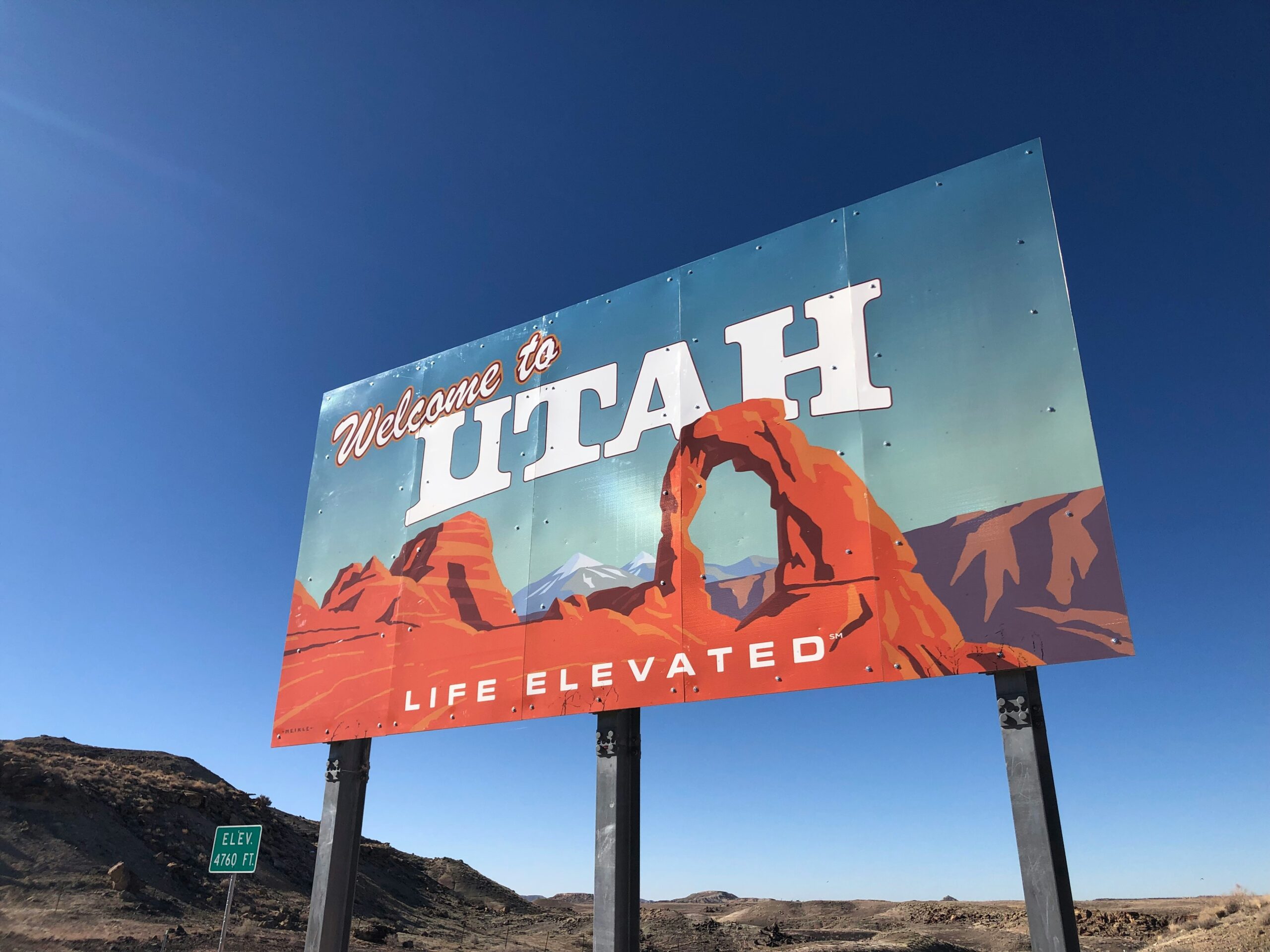
Welcome to Utah! Whether you’ve relocated for work, family, or the incredible outdoor recreation, you’re joining a growing number of people who’ve chosen to make Utah home. As you settle into your new state, updating your insurance coverage should be high on your priority list.
Utah’s insurance requirements and market conditions differ from other states, and understanding these differences can help you avoid coverage gaps, comply with state laws, and potentially save money. Here’s what every new Utah resident needs to know about auto and home insurance.
Auto Insurance Requirements in Utah
Utah requires all drivers to carry minimum auto insurance coverage. Here’s what the law mandates:
Liability Coverage Minimums:
- $30,000 per person for bodily injury
- $65,000 per accident for bodily injury
- $25,000 per accident for property damage
These limits are commonly referred to as 30/65/25 coverage.
Personal Injury Protection (PIP): Utah also requires Personal Injury Protection coverage of at least $3,000. PIP covers medical expenses, lost wages, funeral costs, and survivor benefits for you and your passengers, regardless of who caused the accident. You can opt out of PIP in writing, but most drivers benefit from keeping this coverage.
Important Deadline: Utah law requires you to obtain Utah insurance within 90 days of establishing residency. However, we recommend updating your coverage much sooner to ensure you’re properly protected and in compliance with state law.
How Utah’s Auto Insurance Differs from Other States
If you’re coming from another state, here are some key differences you might encounter:
No-Fault Elements: Utah is a “choice no-fault” state, meaning your PIP coverage pays your medical expenses first, regardless of who caused the accident. However, you can still sue an at-fault driver for damages exceeding certain thresholds.
Uninsured Motorist Coverage: While not required by law, uninsured/underinsured motorist coverage is strongly recommended. Despite enforcement efforts, some Utah drivers still operate without proper insurance.
Registration Requirements: You must show proof of insurance when registering your vehicle in Utah. Your insurance company will typically file electronic verification directly with the DMV.
Winter Driving Risks: Utah’s significant winter weather means higher risk of weather-related accidents. Many insurance companies take this into account when setting rates.
Getting Utah Auto Insurance: What You’ll Need
When obtaining auto insurance in Utah, have this information ready:
- Your driver’s license (you’ll need to obtain a Utah license within 6 months of establishing residency)
- Vehicle information (VIN, make, model, year)
- Your driving history
- Information about other drivers in your household
- Your current insurance information (many insurers offer transfer discounts)
Will Your Rates Change? Moving to Utah may increase or decrease your auto insurance rates depending on where you’re moving from and where in Utah you settle. Urban areas like Salt Lake City typically have higher rates than rural communities due to higher accident frequency and theft rates.
Homeowners Insurance in Utah: What’s Different
If you’ve purchased a home in Utah or plan to, understanding the state’s unique home insurance considerations is essential.
Required by Lenders: If you have a mortgage, your lender will require homeowners insurance. Even if you own your home outright, insurance is a smart financial protection.
Utah-Specific Risks: Utah homeowners face unique risks that affect coverage needs:
- Earthquakes: The Wasatch Fault runs through populated areas of Utah. Standard home insurance doesn’t cover earthquake damage—you’ll need separate earthquake coverage or an endorsement.
- Hailstorms: Parts of Utah, particularly along the Wasatch Front, experience significant hail events. Ensure your policy provides adequate coverage for roof and exterior damage.
- Winter Weather: Heavy snow loads, ice dams, and frozen pipes are common winter risks. Verify your policy covers these perils and understand any maintenance requirements.
- Wildfire Risk: Some mountain and foothill areas face elevated wildfire risk. If you’re in a high-risk area, insurers may require specific mitigation measures or charge higher premiums.
- Dry Climate: Utah’s low humidity can increase fire risk and affect your home’s maintenance needs.
Understanding Utah Home Insurance Costs
Home insurance rates in Utah are generally moderate compared to coastal or high-risk states. However, costs vary significantly based on:
Location: Urban areas and properties near the Wasatch Fault or in wildfire zones typically cost more to insure. Mountain homes may face higher premiums due to limited fire protection and harsh weather exposure.
Home Characteristics: Your home’s age, construction type, roof condition, and heating system all affect rates. Older homes or those with older roofs, electrical systems, or plumbing often cost more to insure.
Coverage Amount: Obviously, insuring a more valuable home costs more. Ensure your dwelling coverage reflects the cost to rebuild your home (replacement cost), not just its market value.
Deductible Selection: Choosing a higher deductible lowers your premium but increases your out-of-pocket costs when you file a claim.
Discounts: Bundling auto and home insurance, installing security systems, updating your roof, or having a claims-free history can significantly reduce your premium.
Rental Property and Landlord Insurance
If you’re renting in Utah rather than buying, you need renters insurance—not homeowners insurance. Your landlord’s insurance covers the building structure but not your personal belongings or liability.
Renters insurance is remarkably affordable (often $15-30 monthly) and covers:
- Your personal property from theft, fire, and covered perils
- Liability protection if someone is injured in your rental
- Temporary living expenses if your rental becomes uninhabitable
- Medical payments for guests injured in your home
Many Utah landlords now require proof of renters insurance before you move in.
Bundling Insurance for Savings
One of the best ways to save on both auto and home insurance in Utah is bundling—purchasing both policies from the same insurance company. Bundling typically saves 10-25% on your combined premiums compared to buying policies separately.
Additional benefits of bundling include:
- Single renewal date for both policies
- One insurance company to contact for all questions
- Simplified claims process if a single event damages both your car and home
- Potential for additional multi-policy discounts as you add coverage
Timeline for New Residents: When to Update Insurance
Here’s a practical timeline for handling your insurance when moving to Utah:
Before or Immediately Upon Arrival:
- Contact your current auto insurance company to inform them of your move
- Get quotes from Utah insurance providers
- If purchasing a home, arrange homeowners insurance before closing
Within 30 Days:
- Finalize and purchase Utah auto insurance
- Update your address with your insurance companies
- Register your vehicles in Utah
Within 90 Days:
- Obtain Utah driver’s license
- Ensure all insurance is properly updated to Utah addresses
- Review coverage to ensure it meets Utah requirements
Within 6 Months:
- Complete any remaining vehicle registration requirements
- Review your coverage after settling in to ensure it meets your needs
Utah-Specific Discounts and Programs
Ask about these Utah-specific insurance opportunities:
Good Student Discounts: If you have teen drivers, Utah insurers offer discounts for students maintaining good grades.
Winter Tire Discounts: Some insurers offer small discounts for using winter tires during snow season.
Defensive Driving Course Discounts: Completing approved driving courses can reduce your rates.
Military Discounts: Utah has significant military populations, and many insurers offer special rates for service members and veterans.
Safe Driver Discounts: Utah’s improving road safety record can work in your favor if you maintain a clean driving record.
Common Mistakes New Utah Residents Make
Avoid these pitfalls:
Keeping Out-of-State Insurance Too Long: While you have 90 days to comply, updating sooner ensures proper coverage and avoids potential compliance issues.
Assuming Your Previous Coverage is Adequate: Utah’s requirements and risks differ from other states. What worked in Florida or California may not be appropriate here.
Overlooking Earthquake Coverage: Many new residents underestimate Utah’s earthquake risk. Evaluate whether earthquake insurance makes sense for your situation.
Not Shopping Around: Insurance rates vary significantly between companies. Get quotes from multiple insurers to ensure competitive rates.
Underinsuring Your Home: Make sure your dwelling coverage reflects Utah construction costs, which may differ from your previous location.
Forgetting to Update All Policies: Don’t update only your auto insurance—review all insurance policies including home, renters, umbrella, and life insurance.
Understanding Utah’s Insurance Market
Utah has a competitive insurance market with many national and regional carriers available. This competition generally works in consumers’ favor, but it also means rates and coverage options vary widely between companies.
Some insurers specialize in certain types of coverage or customer profiles. Working with an independent insurance agent gives you access to multiple companies and helps you find the best fit for your specific situation.
Getting Started with Utah Insurance
Moving to a new state involves many tasks, but updating your insurance should be a priority. Proper coverage protects your financial well-being and ensures you’re in compliance with Utah law.
Here’s how to get started:
- Gather Your Information: Collect current insurance documents, driver’s licenses, vehicle information, and details about your home or rental.
- Research Your Area’s Specific Risks: Understanding whether you’re in an earthquake zone, wildfire area, or region with specific weather risks helps you choose appropriate coverage.
- Get Multiple Quotes: Compare coverage and rates from several insurers to find the best value.
- Review Coverage Carefully: Don’t just choose the cheapest option—ensure the coverage adequately protects your assets and meets your needs.
- Ask Questions: If anything is unclear, ask for explanations. Understanding your coverage prevents surprises when you need to file a claim.
Welcome to Utah—Let Us Help You Get Properly Insured
Adjusting to a new state is challenging enough without worrying about insurance compliance and coverage gaps. We specialize in helping new Utah residents understand their insurance needs and find the right coverage at competitive rates.
Contact us today for a free insurance review and quotes on both auto and home insurance. We’ll explain Utah’s requirements, discuss the unique risks in your specific area, and help you find comprehensive coverage that fits your budget. Welcome to Utah—we’re here to help you protect what matters most.