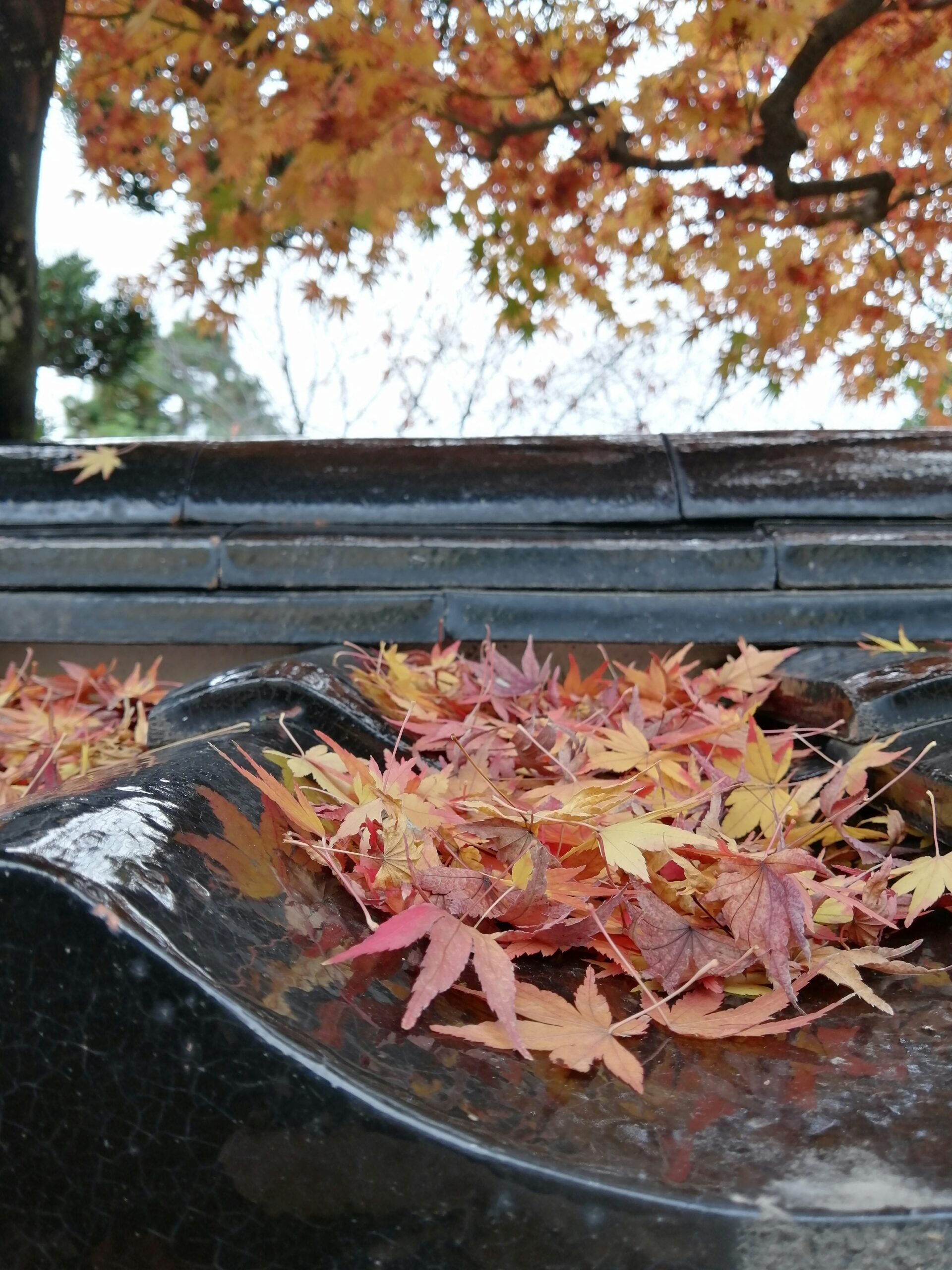
Fall in Utah brings cooler temperatures, changing leaves, and the certain knowledge that winter is coming. Before the snow flies and temperatures drop, taking time for essential home maintenance can prevent costly damage, keep your family safe and comfortable, and potentially prevent insurance claims down the road.
Many home insurance claims stem from preventable maintenance issues—frozen pipes, ice dams, heating system failures, and water damage from clogged gutters. By addressing these issues in fall, you protect both your home and your wallet. Here’s your comprehensive fall home maintenance checklist for Utah homeowners.
Exterior Maintenance
Clean and Inspect Gutters and Downspouts
This is perhaps the single most important fall maintenance task. Clogged gutters can cause water to back up under your roof, leading to rot, ice dams in winter, and water damage to your foundation.
- Remove all leaves, twigs, and debris from gutters
- Flush gutters and downspouts with a hose to ensure proper drainage
- Check for leaks, rust, or sagging sections
- Ensure downspouts direct water at least 4-6 feet away from your foundation
- Consider installing gutter guards to reduce future maintenance
Inspect and Repair Your Roof
Your roof is your home’s first defense against Utah’s harsh winter weather. A thorough inspection now can prevent emergency repairs in the middle of winter.
- Look for missing, damaged, or curling shingles
- Check flashing around chimneys, vents, and skylights
- Inspect for signs of wear or damage from summer hail
- Look for moss or algae growth, which can damage shingles
- Check your attic for signs of leaks or inadequate ventilation
- Consider having a professional inspection if your roof is more than 15 years old
Seal Gaps and Cracks
Air leaks waste energy and allow cold air, moisture, and pests into your home.
- Inspect exterior walls, windows, and doors for gaps
- Apply fresh caulk around windows and door frames
- Check foundation for cracks and seal with appropriate materials
- Inspect where utility lines enter your home and seal any gaps
- Weather-strip doors and windows as needed
Inspect and Clean Chimney
If you have a fireplace or wood stove, have it professionally cleaned and inspected before using it this winter. Creosote buildup is a significant fire hazard.
- Schedule a professional chimney sweep
- Have the damper inspected to ensure it seals properly
- Check the chimney cap to ensure it’s secure and undamaged
- Inspect the firebox and hearth for cracks or damage
Winterize Outdoor Faucets and Irrigation Systems
Frozen pipes can burst and cause thousands of dollars in water damage.
- Disconnect and drain all garden hoses
- Shut off water to outdoor faucets from inside your home
- Drain outdoor faucets and sprinkler systems
- Install insulated covers on outdoor faucets
- Blow out your sprinkler system or have it professionally winterized
- Store hoses indoors for the winter
Trim Trees and Remove Dead Branches
Heavy snow and ice can break weak or dead branches, potentially damaging your home, vehicles, or power lines.
- Remove dead, diseased, or damaged branches
- Trim branches that hang over your roof or within 10 feet of your house
- Consider hiring a professional arborist for large trees or high branches
- Remove any dead trees that could fall on your property
Inspect Siding and Exterior Paint
Damaged siding or peeling paint allows moisture to penetrate, leading to rot and mold.
- Look for cracks, holes, or loose siding
- Repair or replace damaged sections
- Touch up peeling paint to protect wood surfaces
- Check for signs of pest damage or entry points
Check Driveway and Walkways
Cracks in concrete or asphalt allow water to seep in, which expands when it freezes and causes further damage.
- Fill cracks in concrete or asphalt
- Power wash surfaces to prepare for winter
- Consider sealing asphalt driveways to protect them from winter damage
- Repair uneven surfaces that could become trip hazards under snow
Heating System Maintenance
Service Your Furnace
A well-maintained heating system runs more efficiently, lasts longer, and is less likely to fail when you need it most.
- Schedule professional furnace maintenance before heating season
- Replace or clean furnace filters (and plan to do this monthly during winter)
- Test your heating system before cold weather arrives
- Check that all vents and registers are unobstructed
- Consider upgrading to a programmable or smart thermostat to save energy
Inspect and Clean Ducts
Clean ducts improve air quality and heating efficiency.
- Have ducts professionally cleaned if it’s been more than 3-5 years
- Check visible ductwork for leaks or damage
- Ensure all registers and vents are open and unblocked
- Seal any visible gaps in ductwork with metallic tape
Test Carbon Monoxide and Smoke Detectors
These life-saving devices are especially important during heating season.
- Test all smoke and carbon monoxide detectors
- Replace batteries (or replace entire units if they’re more than 10 years old)
- Install carbon monoxide detectors near sleeping areas if you don’t have them
- Review your family’s emergency evacuation plan
Check Your Fireplace and Wood Stove
- Have your chimney professionally cleaned and inspected
- Check the damper to ensure it opens and closes properly
- Inspect the firebox for cracks
- Stock up on seasoned firewood if you plan to use your fireplace
- Keep a fire extinguisher nearby
Plumbing and Water System
Insulate Exposed Pipes
Frozen pipes are one of the most common and costly winter home insurance claims.
- Insulate pipes in unheated areas like basements, crawl spaces, and garages
- Pay special attention to pipes near exterior walls
- Use foam pipe insulation or heat tape for vulnerable pipes
- Know where your main water shut-off valve is located
Check Water Heater
Your water heater works harder in winter as incoming water is colder.
- Flush sediment from the tank (or have it professionally done)
- Check the temperature setting (120°F is usually adequate and safe)
- Inspect for leaks or corrosion
- Consider insulating your water heater and pipes to improve efficiency
- Test the pressure relief valve
Inspect for Leaks
Even small leaks can cause major damage over time.
- Check under sinks, around toilets, and near appliances for signs of leaks
- Look for water stains on ceilings or walls
- Check your water meter before bed and again in the morning—if it changed with no water use, you have a leak
- Repair leaks promptly to prevent water damage and mold growth
Windows and Doors
Install Storm Windows or Window Film
Improving window insulation reduces heating costs and improves comfort.
- Install storm windows if you have them
- Apply window insulation film to single-pane windows
- Check for drafts around windows and seal with caulk or weatherstripping
- Consider cellular shades or insulated curtains for additional protection
Check and Adjust Doors
Properly sealed doors prevent heat loss and drafts.
- Check weatherstripping on all exterior doors and replace if worn
- Install or replace door sweeps
- Adjust door hinges and latches to ensure tight seals
- Consider adding storm doors for extra insulation
Attic and Insulation
Inspect Attic Insulation
Adequate attic insulation is crucial for energy efficiency and preventing ice dams.
- Check insulation depth (Utah homes should have at least R-38 in attics)
- Add insulation if needed
- Ensure insulation doesn’t block soffit vents
- Look for signs of moisture, mold, or pest damage
- Check that attic ventilation is adequate
Check for Air Leaks in Attic
Air leaks in your attic allow warm air to escape, wasting energy and contributing to ice dam formation.
- Seal gaps around pipes, ducts, and electrical penetrations
- Check recessed light fixtures for air leakage
- Ensure the attic access door or hatch is properly insulated and sealed
Interior Maintenance
Reverse Ceiling Fans
Most ceiling fans have a switch that reverses the blade direction. In winter, run fans clockwise at low speed to push warm air down from the ceiling.
Check Caulking Around Tubs and Showers
Damaged caulk allows water to penetrate walls, leading to mold and rot.
- Inspect and re-caulk as needed
- Check for soft spots in walls or floors that might indicate water damage
- Ensure bathroom exhaust fans are working properly
Clean Dryer Vents
Lint buildup is a fire hazard and reduces dryer efficiency.
- Clean the lint trap after every load
- Disconnect and clean the entire dryer vent duct
- Ensure the exterior vent flap opens and closes properly
- Consider professional cleaning if your vent is long or has multiple turns
Inspect and Clean Kitchen Range Hood
- Clean or replace range hood filters
- Ensure the exhaust fan works properly
- Check the exterior vent for blockages
Prepare Emergency Supplies
Utah winters can bring power outages and severe weather. Be prepared:
- Stock emergency supplies including flashlights, batteries, and first aid kit
- Keep extra blankets and warm clothing accessible
- Store non-perishable food and bottled water
- Have a battery-powered or hand-crank radio
- Keep emergency contact numbers handy
- Ensure you have backup heating options (like a fireplace or generator)
- Stock up on any necessary medications
Outdoor Equipment and Storage
Service Your Snow Blower
Don’t wait until the first snowfall to discover your snow blower won’t start.
- Change the oil and spark plug
- Check the belts and replace if worn
- Stock up on fuel stabilizer
- Test the machine before you need it
Prepare Snow Removal Tools
- Check snow shovels for damage
- Stock up on ice melt or sand
- Inspect your snow brush and ice scraper for your vehicle
Store Summer Equipment
- Clean and store lawn mowers (drain fuel or add stabilizer)
- Put away patio furniture or cover it securely
- Store garden tools in a dry location
- Drain and store garden hoses
- Clean and cover grills
Landscaping
Rake Leaves
- Remove leaves from your lawn to prevent suffocation and disease
- Add leaves to compost or use as mulch in garden beds
- Keep leaves away from your foundation
Mulch Garden Beds
- Apply 2-3 inches of mulch around plants for winter protection
- Pull mulch slightly away from plant stems to prevent rot
Plant Spring Bulbs
- Fall is the time to plant tulips, daffodils, and other spring bulbs
- Plant before the ground freezes (usually by mid-November in Utah)
Winterize Garden
- Remove dead annuals
- Cut back perennials after they’ve died back
- Protect sensitive plants with burlap covers
- Drain and store birdbaths and fountains
Insurance Considerations
Taking care of fall maintenance isn’t just good homeownership—it can also affect your insurance coverage:
Maintenance and Claims: Insurance covers sudden, accidental damage, not damage from deferred maintenance. If frozen pipes burst because you didn’t maintain heat or winterize properly, your claim might be denied.
Documentation: Take photos or video of your maintenance activities and keep receipts. This documentation can be valuable if you ever need to file a claim and demonstrate you properly maintained your home.
Prevention Discounts: Some insurance companies offer discounts for protective devices like water leak detectors, smart home systems, or security systems. Ask your agent about available discounts.
Update Your Coverage: If you’ve made improvements or your home’s value has increased, make sure your insurance coverage is adequate.
Create a Maintenance Schedule
Don’t try to do everything in one weekend. Create a schedule:
Early Fall (September):
- Inspect roof and gutters
- Service HVAC system
- Inspect and repair siding
Mid-Fall (October):
- Clean gutters
- Winterize irrigation and outdoor faucets
- Seal gaps and cracks
Late Fall (November):
- Final gutter cleaning
- Test heating system
- Complete any remaining outdoor work before weather turns
When to Call a Professional
While many maintenance tasks are DIY-friendly, some require professional help:
- Roof repairs or replacement
- Furnace service and repair
- Chimney cleaning and inspection
- Major plumbing issues
- Electrical work
- Tree removal or major trimming
- Foundation repairs
Don’t hesitate to call professionals when needed—improper repairs can cause more damage and potentially void insurance coverage.
The Bottom Line
Fall home maintenance requires time and effort, but it’s an investment that pays dividends in comfort, energy savings, and prevention of costly damage. Many insurance claims—particularly from frozen pipes, ice dams, and heating system failures—are preventable with proper fall preparation.
By working through this checklist before winter arrives, you’re protecting your home, your family, and your financial investment. Your home is likely your most valuable asset; a few weekends of maintenance work now can prevent thousands of dollars in damage later.
Need Insurance Advice for Your Home?
As you prepare your home for winter, it’s also a good time to review your home insurance coverage. We’re here to help you ensure your coverage is adequate and that you understand what’s covered (and what isn’t) when it comes to winter-related damage.
Contact us today for a free home insurance review. We’ll make sure you have the right protection for Utah’s unique weather challenges and help you find any available discounts. Protect your home this fall—both with maintenance and with the right insurance coverage.