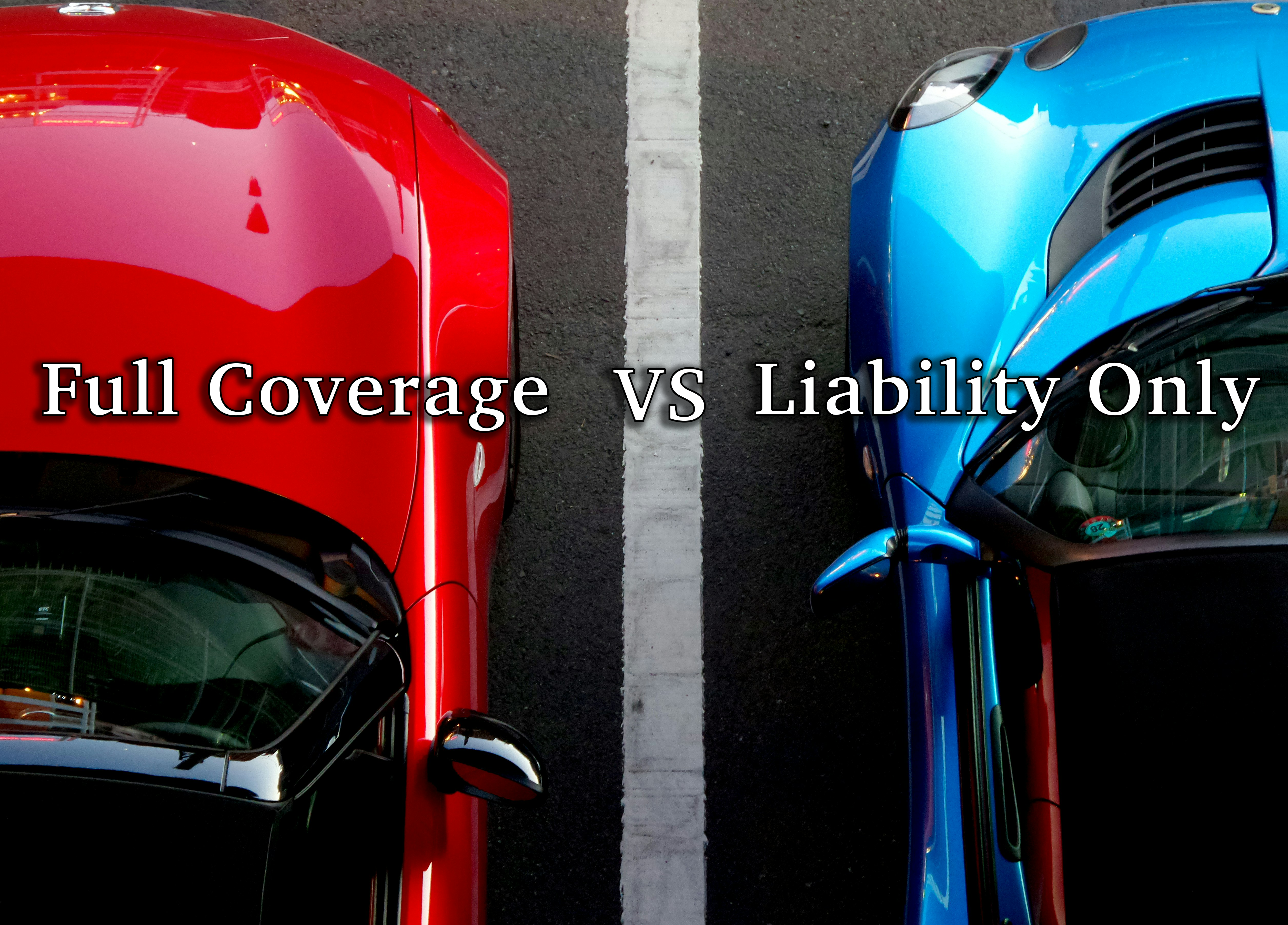
When you’re shopping for auto insurance in Utah, one of the biggest decisions you’ll face is whether to purchase full coverage or stick with liability-only insurance. It’s a choice that can significantly impact both your monthly budget and your financial protection on the road.
The answer isn’t the same for everyone. Your decision should depend on your vehicle’s value, your financial situation, and how much risk you’re comfortable taking on. Let’s break down what each option covers, what it costs, and how to decide which is right for you.
Understanding Utah’s Minimum Insurance Requirements
First, it’s important to know what Utah law requires. Every driver in Utah must carry at least liability insurance with these minimum limits:
- $30,000 for bodily injury or death per person
- $65,000 for bodily injury or death per accident
- $25,000 for property damage per accident
These are often written as 30/65/25 coverage. This liability coverage pays for damage you cause to other people and their property, but it doesn’t cover damage to your own vehicle or injuries you sustain.
Many Utah drivers choose to carry higher liability limits than the minimum, which is wise given that medical costs and vehicle repairs can quickly exceed these amounts. But the question remains: should you add comprehensive and collision coverage to protect your own vehicle?
What Does Liability-Only Insurance Cover?
Liability-only insurance is exactly what it sounds like—it covers your legal liability when you’re at fault in an accident. This includes:
Bodily Injury Liability: Pays for medical expenses, lost wages, and pain and suffering for people injured in an accident you cause.
Property Damage Liability: Covers damage to other people’s vehicles, buildings, fences, or other property when you’re at fault.
What liability-only doesn’t cover: Any damage to your own vehicle, regardless of who’s at fault. If you cause an accident, you’ll pay out of pocket to repair or replace your car. If someone without insurance hits you, you’re also on your own unless you’ve added uninsured motorist property damage coverage.
What Does Full Coverage Insurance Include?
“Full coverage” is actually a term that refers to a combination of coverages beyond basic liability. Typically, it includes:
Collision Coverage: Pays to repair or replace your vehicle after an accident, regardless of who’s at fault. This includes single-car accidents, like sliding into a guardrail on a snowy Utah mountain road.
Comprehensive Coverage: Protects your vehicle from non-collision damage, including theft, vandalism, hail, animal strikes, fire, and falling objects.
Medical Payments or Personal Injury Protection (PIP): Covers medical expenses for you and your passengers after an accident, regardless of fault. Utah requires PIP coverage of at least $3,000, though you can opt out in writing.
Most lenders require full coverage if you’re financing or leasing a vehicle, since they have a financial interest in protecting the car’s value.
The Cost Difference in Utah
The price gap between liability-only and full coverage varies based on several factors, but Utah drivers typically see these patterns:
Liability-only insurance in Utah might cost between $400-$800 per year for a driver with a clean record, depending on your coverage limits and location within the state.
Full coverage insurance typically runs $1,200-$2,400 annually for the same driver—roughly two to three times the cost of liability-only coverage.
The exact difference depends on your vehicle’s value, age, and safety features, as well as your driving record, credit score, and where you live. Urban areas like Salt Lake City generally see higher rates than rural communities.
When Liability-Only Insurance Makes Sense
Consider sticking with liability-only coverage if:
Your vehicle is older or has low market value: A common rule of thumb is that if your car is worth less than $3,000-$4,000, the cost of full coverage may not be worth it. If you’re paying $600 per year for comprehensive and collision coverage on a car worth $2,500, you’d recover your costs only if you totaled your vehicle within about four years.
You have savings to replace your vehicle: If you could afford to buy another car out of pocket without financial hardship, liability-only might make sense even for a somewhat newer vehicle.
You drive an older car with high mileage: Vehicles with over 100,000 miles and significant age will have lower actual cash values, meaning insurance payouts after a total loss would be minimal anyway.
You’re trying to minimize insurance costs: If you’re on a tight budget and need to reduce monthly expenses, liability-only provides legal compliance and protects you from major lawsuits while cutting costs.
When Full Coverage Insurance Is the Better Choice
Full coverage is typically worth the investment when:
You’re financing or leasing your vehicle: Lenders require comprehensive and collision coverage to protect their investment. You don’t have a choice here.
Your vehicle is newer or has significant value: If your car is worth more than $5,000-$10,000, full coverage protects a substantial asset. Losing that value in an accident or theft would be a major financial setback.
You couldn’t afford to replace your car out of pocket: Even if your car is paid off, ask yourself: could I buy another reliable vehicle tomorrow if this one was totaled? If not, full coverage provides essential protection.
You live or drive in high-risk areas: Utah presents unique risks—winter driving on I-15 and mountain highways, and wildlife crossings in rural regions. Comprehensive coverage protects against many of these non-collision risks.
You depend on your vehicle for work: If losing your car would impact your ability to earn a living, the peace of mind of full coverage may be worth the extra cost.
Special Considerations for Utah Drivers
Living in Utah comes with specific insurance considerations:
Winter weather: Our snowy winters increase the likelihood of single-car accidents. Collision coverage can be valuable for drivers navigating icy roads from November through March.
Uninsured drivers: While Utah’s rate of uninsured drivers has improved, you may still encounter motorists without adequate coverage. Uninsured/underinsured motorist coverage (which is often included in full coverage policies) protects you in these situations.
Outdoor recreation: If you regularly drive to ski resorts, national parks, or remote areas, the increased risk of animal collisions and limited cell service in case of an accident may make full coverage more appealing.
Making Your Decision: A Practical Framework
Here’s a simple way to evaluate your situation:
- Check your vehicle’s current value using Kelley Blue Book or a similar resource
- Calculate the annual cost difference between liability-only and full coverage by getting quotes
- Divide your vehicle’s value by the extra annual cost of full coverage—this tells you how many years it would take for the additional premiums to equal your car’s value
- Consider your deductible options—higher deductibles lower premiums but increase out-of-pocket costs after a claim
- Evaluate your financial cushion—be honest about whether you could handle an unexpected major car expense
If the math works out that you’d pay the equivalent of your car’s value in extra premiums within 3-4 years, and you have savings to cover a loss, liability-only might make sense. If not, full coverage is likely the smarter financial protection.
Get Personalized Advice for Your Situation
Every driver’s situation is unique, and the right insurance coverage depends on your specific circumstances, vehicle, and financial goals. While online calculators and general guidelines help, there’s no substitute for talking with a local insurance professional who understands Utah’s unique risks and can review your complete picture.
If you’re unsure whether full coverage or liability-only insurance is right for you, we’d be happy to review your options and provide a personalized recommendation. We’ll look at your vehicle, discuss your budget, and help you find the coverage that gives you the protection you need at a price that works for you.
Contact us today for a free quote and consultation. Making the right choice now can save you money and stress down the road.