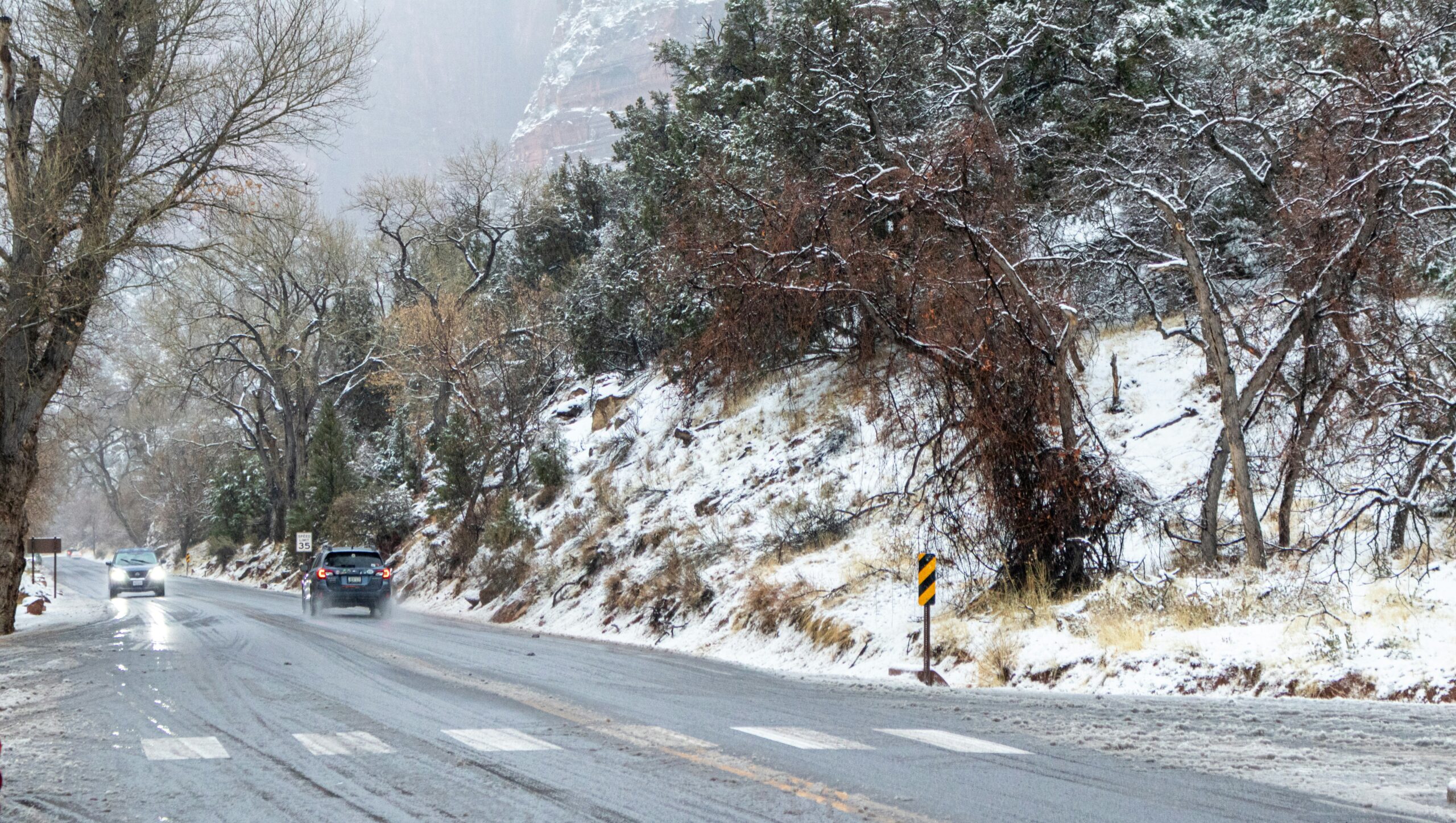
Winter in Utah brings some of the most challenging driving conditions in the country. From sudden snowstorms along I-15 to icy mountain passes and fog in the valleys, Utah’s winter roads demand respect, preparation, and proper insurance coverage. Whether you’re a longtime resident or new to Utah winters, understanding how to protect yourself both on the road and with adequate insurance coverage is essential.
Each winter, thousands of accidents occur on Utah roads due to weather conditions. While safe driving practices are your first line of defense, having the right auto insurance coverage ensures you’re financially protected when winter weather strikes.
Utah’s Unique Winter Driving Challenges
Utah’s geography creates diverse and sometimes dangerous winter driving conditions:
Lake Effect Snow: The Great Salt Lake generates intense, localized snowstorms that can reduce visibility to near zero in minutes, particularly affecting I-15 and I-80 corridors.
Temperature Inversions: Cold air trapped in valleys creates dense fog and icy conditions, especially in the Salt Lake Valley and Cache Valley.
Mountain Passes: Routes like Parley’s Canyon, Sardine Canyon, and the passes near Park City can be treacherous even when valley roads are clear.
Black Ice: Utah’s temperature fluctuations create black ice conditions, particularly on bridges, overpasses, and shaded areas.
Sudden Weather Changes: Conditions can deteriorate rapidly, especially in mountainous areas where drivers may encounter snow even when they started their trip in clear weather.
Understanding these risks helps you prepare both your driving habits and your insurance coverage.
Essential Auto Insurance Coverage for Winter Driving
Utah law requires basic liability coverage, but winter driving conditions make additional coverage particularly important:
Collision Coverage
Collision coverage pays to repair or replace your vehicle after an accident, regardless of who’s at fault. This is crucial for winter driving because:
- Single-vehicle accidents (sliding into guardrails, ditches, or other objects) are common in winter weather
- Your standard liability-only coverage won’t help if you slide off an icy road and damage your own vehicle
- Even careful drivers can lose control on ice or in whiteout conditions
If you have a loan or lease, your lender requires collision coverage. But even if your vehicle is paid off, consider whether you could afford to repair or replace it after a winter accident.
Comprehensive Coverage
Comprehensive coverage protects against non-collision damage, which becomes more relevant in winter:
- Damage from falling ice or snow
- Hitting deer or other wildlife (more common in winter when animals move to lower elevations)
- Windshield damage from flying road debris, ice, or gravel
- Damage from snow or ice accumulation
- Theft (which can increase during holiday seasons)
Many Utah drivers add comprehensive coverage because it’s relatively inexpensive and provides broad protection.
Uninsured/Underinsured Motorist Coverage
While not required in Utah, this coverage is highly recommended. It protects you if:
- You’re hit by a driver without insurance
- The at-fault driver’s insurance is insufficient to cover your damages
- You’re involved in a hit-and-run accident
Winter conditions increase accident rates, and unfortunately, some drivers still operate without proper insurance. This coverage ensures you’re protected regardless of the other driver’s insurance status.
Medical Payments/Personal Injury Protection (PIP)
Utah requires $3,000 in PIP coverage (though you can opt out in writing). Winter accidents can result in injuries, and PIP covers:
- Medical expenses for you and your passengers
- Lost wages if you can’t work due to accident injuries
- Funeral expenses in worst-case scenarios
Consider increasing your PIP coverage beyond the minimum, especially if you have limited health insurance or high deductibles.
Towing and Roadside Assistance
While not traditional insurance, adding towing and roadside assistance to your policy is particularly valuable in winter:
- Coverage for towing after an accident or breakdown
- Help if you slide into a ditch and need extraction
- Jump starts for dead batteries (common in cold weather)
- Lockout service if you lock your keys in your car
- Fuel delivery if you run out of gas
This coverage typically costs only $10-20 annually and can save hundreds of dollars and significant stress during a winter emergency.
Understanding Your Deductible in Winter
Your deductible is the amount you pay out-of-pocket before insurance covers the rest. Winter weather increases the likelihood of filing claims, so consider:
Balancing Deductibles and Premiums: Higher deductibles lower your premium but increase your out-of-pocket costs after an accident. In winter, when accident risks are higher, having a lower deductible might provide peace of mind.
Separate Deductibles: You typically have separate deductibles for collision and comprehensive coverage. Some insurers offer lower comprehensive deductibles specifically for glass damage, which is common in winter.
Affordability: Choose a deductible you could comfortably afford to pay if you had an accident tomorrow. Don’t set it so high that you couldn’t make repairs if needed.
What to Do After a Winter Weather Accident
If you’re involved in an accident during winter weather:
Immediate Steps:
- Ensure everyone’s safety and move to a safe location if possible
- Call 911 if there are injuries or if vehicles can’t be moved safely
- Exchange insurance information with other drivers
- Document the scene with photos, including vehicle positions, damage, and weather/road conditions
- Get contact information from witnesses
- Note the weather conditions, road conditions, and any contributing factors
Reporting to Insurance:
- Report the accident to your insurance company promptly (most require notification within 24-48 hours)
- Provide thorough documentation of conditions and circumstances
- Be honest about what happened—misrepresenting facts can void your coverage
- Don’t admit fault at the scene; let insurance companies and potentially law enforcement determine fault
Winter-Specific Considerations: Document weather conditions thoroughly. Photos showing snow, ice, or poor visibility help your insurance company understand the circumstances. Note whether roads were plowed, salted, or maintained, as this can affect liability determinations.
How Winter Accidents Affect Your Insurance Rates
Many drivers worry that any winter accident will dramatically increase their premiums. Here’s what you should know:
At-Fault vs. Not-At-Fault: Accidents where you’re clearly at fault typically result in rate increases. However, many insurers offer accident forgiveness for your first at-fault accident or for drivers with long claim-free histories.
Comprehensive Claims: Claims under comprehensive coverage (like hitting a deer or windshield damage) typically have minimal or no impact on your rates since they’re not related to your driving behavior.
Small Claims: Before filing a claim, calculate whether the damage exceeds your deductible by enough to make filing worthwhile. A $1,500 claim with a $1,000 deductible nets you only $500 but could increase your premiums over several years.
Winter Weather Consideration: Some insurers take weather conditions into account when determining fault and rating impacts. An accident during a severe storm may be treated differently than one in clear conditions.
Winter Driving Safety Tips to Prevent Accidents
While proper insurance is essential, preventing accidents is always better:
Vehicle Preparation:
- Install winter tires for better traction (some insurers offer small discounts for winter tires)
- Ensure your battery is in good condition
- Keep your gas tank at least half full to prevent fuel line freezing
- Check that windshield wipers and defrosters work properly
- Keep an emergency kit in your vehicle (blanket, flashlight, first aid kit, snacks, water, phone charger)
Driving Practices:
- Reduce speed significantly in snow and ice
- Increase following distance to at least 8-10 seconds
- Avoid sudden movements—brake, accelerate, and steer gently
- Clear all snow and ice from your vehicle before driving, including roof snow that can slide onto your windshield
- If you start to slide, ease off the accelerator and steer in the direction you want to go
- Know whether your vehicle has anti-lock brakes and how to use them properly
Route Planning:
- Check weather and road conditions before traveling (UDOT’s traffic cameras and road condition reports are invaluable)
- Consider delaying travel during severe weather
- Plan extra time for your trip
- Keep your phone charged for emergencies
- Let someone know your route and expected arrival time
Mountain Driving:
- Use lower gears when descending steep grades
- Never use cruise control in winter conditions
- Watch for black ice on bridges and shaded areas
- Be aware of weather changes—conditions can be completely different at higher elevations
- Know when chains or snow tires are required and have them available
Special Considerations for Commuters and Frequent Drivers
If you commute daily or drive frequently in winter:
Consider Higher Coverage Limits: With more exposure to winter driving risks, higher liability limits and lower deductibles may be worthwhile.
Usage-Based Insurance: Some telematics programs that monitor your driving may penalize harsh braking common in winter conditions. Discuss with your insurer how weather conditions are factored into these programs.
Multiple Vehicles: If you have multiple vehicles, consider using one with better winter capability (all-wheel drive, higher clearance) during winter months. Ensure your insurance company knows which vehicle you drive most frequently.
Commercial Drivers and Business Use
If you drive for work or use your vehicle for business:
Verify Coverage: Personal auto policies typically exclude or limit business use. If you drive for Uber, Lyft, deliveries, or other commercial purposes, you need appropriate commercial coverage.
Winter Business Travel: If your job requires winter travel, discuss this with your employer and insurance agent to ensure adequate coverage.
Reviewing Your Coverage Before Winter
Early winter (October-November) is the ideal time to review your auto insurance:
Questions to Ask:
- Do I have collision and comprehensive coverage?
- Are my coverage limits adequate?
- Is my deductible affordable?
- Do I have uninsured motorist coverage?
- Would roadside assistance be valuable?
- Are there discounts I’m not taking advantage of (winter tires, safe driver, multi-policy)?
Consider Your Vehicle’s Value: If your vehicle is older, the cost of full coverage may exceed its value. However, if you can’t afford to replace it out-of-pocket after a winter accident, maintaining full coverage may still be worthwhile.
Bundle for Savings: If you don’t already bundle your auto and home insurance, doing so can save 10-25% on both policies—savings that can help offset the cost of better coverage.
The Bottom Line on Winter Driving and Insurance
Utah’s winter roads present real risks, but being prepared with both safe driving practices and adequate insurance coverage protects you financially and provides peace of mind. While you can’t control the weather or other drivers, you can control your level of preparation and protection.
Don’t wait until after a winter accident to discover your coverage is inadequate. Now, before the worst winter weather arrives, is the time to review your auto insurance and make sure you have appropriate protection.
Get Your Auto Insurance Ready for Winter
We understand Utah’s unique winter driving challenges and can help you find the right coverage to protect you through the winter months and beyond. Whether you need to add coverage, review your current policy, or get a quote for better rates, we’re here to help.
Contact us today for a free auto insurance review. We’ll discuss your driving patterns, evaluate your current coverage, and ensure you’re properly protected for winter driving—all while finding you the best possible rate. Don’t let winter catch you unprepared.