
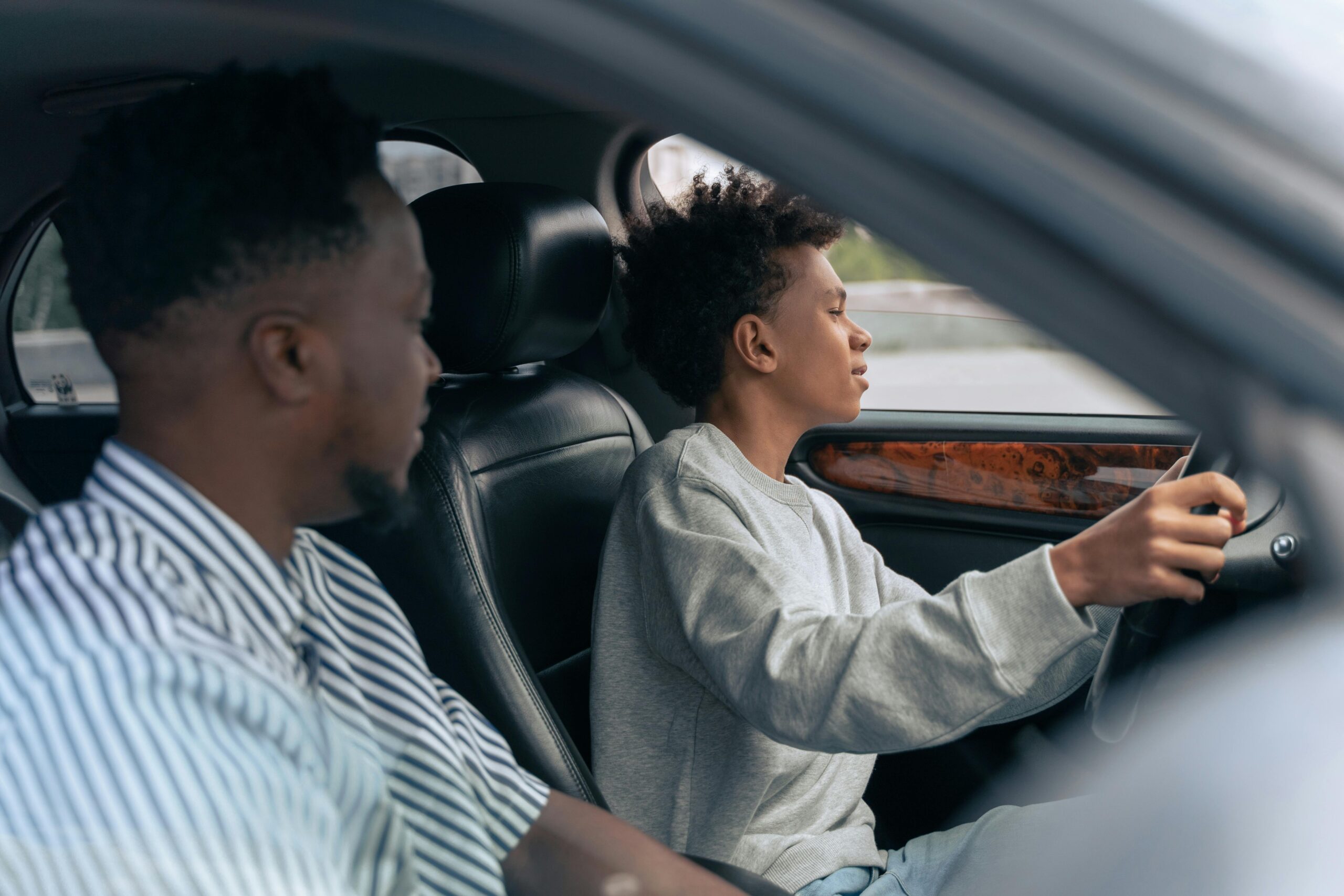
The back-to-school season brings excitement, new schedules, and for many Utah families, a new teen driver on the road. Whether your teenager just earned their learner’s permit or is driving independently to school this year, adding a young driver to your auto insurance policy is a significant step that comes with important considerations.
Teen drivers statistically face higher accident risks than any other age group, which is why insurance costs increase substantially when you add them to your policy. However, understanding how teen drivers affect your insurance and taking advantage of available discounts can help you manage costs while ensuring your family has adequate protection.
How Adding a Teen Driver Affects Your Insurance Rates
Let’s be straightforward: your insurance premium will increase when you add a teen driver, often significantly. Utah parents typically see their auto insurance costs rise by 50% to 150% when adding a 16 or 17-year-old driver to their policy.
Why such a dramatic increase? Insurance companies base rates on risk, and statistics show that teen drivers are involved in accidents at much higher rates than experienced drivers. According to the Insurance Institute for Highway Safety, drivers aged 16-19 have crash rates nearly four times higher than drivers aged 20 and older.
The exact increase depends on several factors:
- Your teen’s age (16-year-olds cost more to insure than 18-year-olds)
- The vehicle they’ll be driving
- Your current coverage levels
- Your insurance company’s rating structure
- Whether your teen has completed driver’s education
In Utah, where teens can obtain a learner’s permit at 15 and a full license at 17 (after completing required supervised driving hours), the type of license your teen holds also affects rates.
Required vs. Optional Coverages for Teen Drivers
When adding a teen driver, you’ll need to review your coverage levels to ensure adequate protection. Here’s what to consider:
Liability Coverage: This is required by Utah law, but you should strongly consider increasing your liability limits beyond the state minimums of 25/65/15. Teen drivers have a higher likelihood of causing accidents, and if your teen is at fault in a serious crash, you could be held financially responsible. Many insurance professionals recommend liability limits of at least 100/300/100 for households with teen drivers.
Collision and Comprehensive: If your teen will be driving a newer vehicle or one with significant value, maintaining full coverage protects your investment. Even if your teen drives an older car that you own outright, consider whether you could afford to replace it if your teen totals it in an accident.
Uninsured/Underinsured Motorist Coverage: This protects your family if your teen is hit by a driver without adequate insurance. Given that some Utah drivers still operate without proper coverage, this is valuable protection.
Medical Payments or PIP: Utah requires Personal Injury Protection coverage, which pays medical expenses regardless of fault. With a new driver, ensuring you have adequate medical coverage provides important protection.
Smart Ways to Reduce Insurance Costs with Teen Drivers
While adding a teen driver will increase your premium, several strategies can help minimize the financial impact:
Good Student Discounts: Most insurance companies offer discounts of 10-25% for students who maintain a B average or better. This reward for academic achievement can save hundreds of dollars annually. Keep your teen’s report cards or transcripts handy, as you’ll need to provide proof of grades to your insurance company.
Driver’s Education Completion: Teens who complete an approved driver’s education course often qualify for discounts. In Utah, many high schools offer driver’s ed programs, and private driving schools are also available. Beyond the potential savings, formal training helps your teen become a safer driver.
Safe Driving Courses: Some insurers offer additional discounts for completion of defensive driving courses beyond basic driver’s education.
Telematics Programs: Many insurance companies now offer usage-based insurance programs that monitor driving behavior through a smartphone app or device installed in your vehicle. If your teen demonstrates safe driving habits—avoiding hard braking, excessive speed, and driving during high-risk hours—you could earn significant discounts.
Choose the Right Vehicle: The car your teen drives significantly impacts your insurance costs. Sports cars, luxury vehicles, and cars with poor safety ratings cost more to insure. Consider having your teen drive an older, reliable sedan with good safety features and lower repair costs. Vehicles with modern safety technology like automatic emergency braking may also qualify for discounts.
Maintain Continuous Coverage: Keeping your teen on your policy without gaps in coverage helps build their insurance history and keeps rates lower long-term.
Bundle Policies: If you don’t already bundle your auto and home insurance, doing so when adding a teen driver can offset some of the increased cost.
Setting Rules and Expectations with Your Teen Driver
Insurance coverage is just one aspect of keeping your teen safe on the road. Utah’s Graduated Driver License program provides a framework, but setting additional family rules can further reduce risks:
Limit Night Driving: Even beyond the restrictions for licensed teens under 17, consider limiting your teen’s driving after dark when accident risks increase.
Restrict Passengers: Utah law limits passengers for drivers under 17, but even after those restrictions expire, consider keeping passenger limits in place. Teen passengers significantly increase crash risk for young drivers.
Prohibit Phone Use: Make it absolutely clear that phone use while driving is unacceptable. Consider using apps that block phone functions while the car is in motion.
Practice in Varied Conditions: Before allowing independent driving, ensure your teen has practiced in diverse situations—highway driving, adverse weather, nighttime conditions, and unfamiliar areas. Utah’s varied terrain and weather conditions require different driving skills than practice in your neighborhood provides.
Discuss Consequences: Make sure your teen understands that traffic violations and accidents will affect insurance rates and may result in lost driving privileges.
What Happens When Your Teen Goes to College?
If your teen will be attending college, your insurance situation may change:
Students Away at School Without a Car: If your teen attends college more than 100 miles from home and doesn’t take a vehicle, many insurers offer a “student away at school” discount. Your teen remains covered when home on breaks but at a reduced rate.
Students With Cars at College: If your teen takes a car to campus, you’ll need to update your policy with the new address. Rates may increase or decrease depending on whether the college location is in a higher or lower-risk area than your home.
Out-of-State Schools: Your insurance should cover your teen in other states, but verify this with your insurance company and understand any limitations.
When Your Teen Gets Their Own Policy
Eventually, your teen may need or want their own insurance policy. This typically happens when:
- They purchase their own vehicle
- They move out permanently
- They get married
- Rates become favorable enough that a separate policy makes financial sense
Generally, it’s more cost-effective to keep your teen on your policy as long as they live with you, even if they own their vehicle. The multi-car and multi-policy discounts usually outweigh the cost of a separate policy for a young driver.
However, once your teen reaches their early 20s and has established a clean driving record, it may be worth comparing costs to see if an independent policy could save money.
Reporting Accidents and Claims
Discuss with your teen what to do if they’re involved in an accident:
- Ensure everyone’s safety first
- Call 911 if there are injuries or significant damage
- Exchange insurance information with other drivers
- Document the scene with photos
- Report the accident to you immediately, even if it seems minor
- Contact your insurance company promptly
Make sure your teen knows they should never admit fault at the scene or agree to handle an accident without involving insurance, even if the other driver suggests it.
Building Good Habits from the Start
Adding a teen driver to your insurance policy is expensive, but it’s also an opportunity to teach financial responsibility and the importance of safe driving. Consider involving your teen in the insurance conversation—show them how much their coverage costs and explain how their driving behavior affects those costs.
Some families have teens contribute to the increased insurance costs, especially if the teen has a part-time job. This creates a direct financial stake in maintaining a clean driving record and can be a valuable lesson in financial responsibility.
Get Expert Guidance for Your Family’s Situation
Every family’s insurance needs are different, and adding a teen driver is an important decision that deserves personalized attention. We work with families throughout Utah to find the right coverage at the best possible price when adding young drivers to their policies.
We’ll review all available discounts, help you choose appropriate coverage levels, and answer your questions about protecting your teen driver and your family’s financial security. Contact us today for a free review of your auto insurance policy and a quote that includes your teen driver.
Making informed decisions now can help you manage costs while giving you peace of mind as your teen takes this important step toward independence.